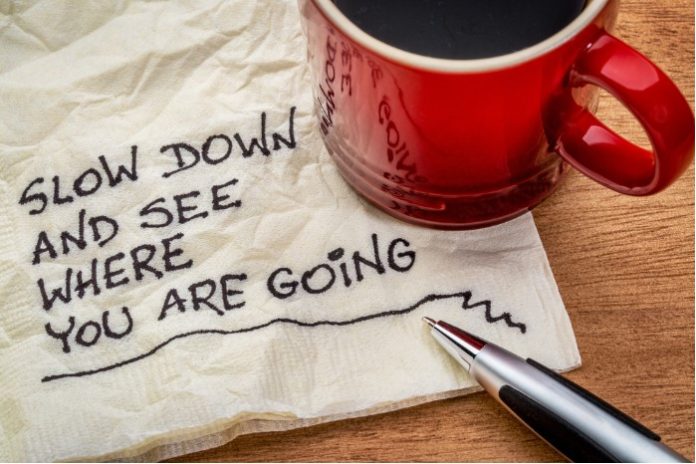
Speed defines modern life. Food, messages, and deliveries all happen quickly. But could slowing down lead to a better life? Studies show that regular breaks are transformative. The human body did not evolve for constant acceleration. Someone who never rests will eventually wear themselves out. It’s not a waste of time to pause. It’s crucial for long-term happiness and success.
The Brain on Pause
During peaceful times, the brain performs crucial upkeep activities. It filters through everyday information, arranging important memories and removing mental clutter. This procedure, referred to as memory consolidation, takes place exclusively during moments of rest. Lacking adequate breaks, the mind is like a disorganized closet where nothing is available when needed.
Quiet encourages creativity. Do ideas come to you in the shower or before sleep? This is caused by the activation of the brain’s default mode network during rest. This network fosters creative connections, leading to “aha!” moments. Taking breaks helps with problem-solving. Time away can lead to solutions. Scientists say major discoveries often come during breaks from focused work.
The Body’s Reset Button
Constant motion causes stress. While cortisol and adrenaline are vital during genuine emergencies. Nevertheless, everyday life today causes them to be released frequently. The body’s fight-or-flight response, once vital for survival from predators, is now triggered by modern stressors. Think traffic, work emails, news, etc.
A pause breaks this pattern. Heart rate drops. Blood pressure decreases. Muscles release their grip. The digestive system, which stops functioning during stress, resumes its normal activity. A mere ten minutes of true relaxation can shift the body from crisis mode to recovery mode.
The quality of sleep improves when the day includes intentional breaks. Pauses lead to deeper sleep and refreshed mornings. The body learns to efficiently manage activity and rest.
Finding Your Pause Style
Different methods for pausing work well for various people. Some find peace in complete quiet, staying motionless with eyes closed. Some find peace in activities like walking or stretching. The people at Maloca Sound say that specific breathing exercises in breathwork quickly initiate the relaxation response.
Nature offers ideal moments to pause and recharge. The simple act of watching clouds drift across the sky provides a calming effect. It soothes racing thoughts. Bird songs and the sound of flowing water have a way of making worries fade away. Looking at the trees through a window for thirty seconds helps lower those stress markers. Shorter breaks are preferable to longer ones. Five minutes an hour equals over an hour every day. Little breaks help you avoid getting stressed and keep your energy up. Imagine them as pressing the refresh button to avoid a crash. Learn about breathwork at MalocaSound.com
The Productivity Paradox
Many people don’t take breaks due to being afraid of falling behind. But breaks actually make you work better. You can see how hard you’re working better after a break. You make better choices when you’re chill, not stressed. You’ll have more success making connections if you’re not tired.
Breaks increase worker output, studies show. People remember more if they take breaks while studying. Athletes get better results when they rest, not when they overdo it.
Conclusion
The impact of pause extends further than personal benefit. Families function better when members demonstrate healthy habits. Creative work environments emerge when employees feel encouraged to take breaks. When people want to connect with their neighbors, communities get stronger. It takes guts to pause in a culture that’s always pushing us. But it’s a great way to look after yourself and might help others chill out as well. The pause isn’t empty. It’s where the real stuff grows.

