
Rwanda may be one of Africa’s smallest countries, but its wildlife offering is remarkably rich. Rwanda wildlife tours bring together three very different ecosystems: volcano-backed bamboo forest where mountain gorillas live, ancient montane rainforest alive with chimpanzees and colobus monkeys, and open eastern savanna where lions, elephants and giraffes roam. Short transfers, excellent roads and a strong conservation culture mean you spend more time watching wildlife and less time traveling. This guide covers the main parks, the key animals, sample itineraries, timing, costs, packing and how your trip supports conservation.
Why Choose a Wildlife Tour in Rwanda?
Rwanda stands out for several reasons.
- Compact geography. Most parks can be reached from Kigali in a few hours, so even a short trip can include more than one habitat.
- Exceptional primates. Rwanda offers some of the world’s best opportunities to see mountain gorillas, chimpanzees, golden monkeys and colobus monkeys.
- A conservation success story. Anti-poaching efforts, community partnerships and carefully managed tourism have helped wildlife populations recover.
- Safety and organization. Rwanda is widely regarded as one of Africa’s safest and best-run destinations, with clean cities and dependable infrastructure.
- Low-volume tourism. Limited permits and higher fees keep visitor numbers modest, so encounters feel intimate rather than crowded.
The Main Parks for Rwanda Wildlife Tours
Volcanoes National Park
Located in the northwest, Volcanoes National Park protects part of the Virunga Massif and is home to habituated mountain gorilla families. Beyond gorilla trekking, visitors can track golden monkeys in the bamboo zone, hike Mount Bisoke to its crater lake or take the Dian Fossey hike to the site of her former research camp. The park is roughly two to three hours from Kigali.
Nyungwe Forest National Park
Nyungwe, in the southwest, is one of Africa’s oldest rainforests and a major biodiversity hotspot. It shelters chimpanzees, colobus monkeys, L’Hoest’s monkeys and a long list of birds, including many Albertine Rift endemics. Activities include chimpanzee tracking, forest walks and a canopy walkway suspended high above the forest floor.
Akagera National Park
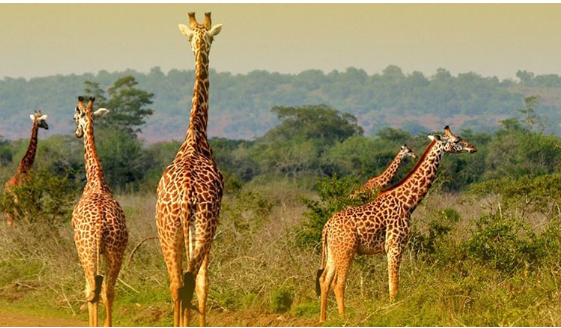
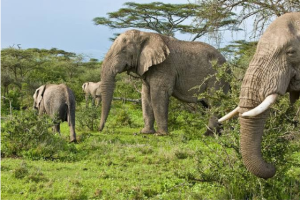
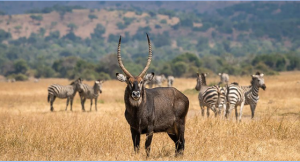
Akagera, in the east, is Rwanda’s savanna park and the largest protected wetland in the region. After years of recovery work, it hosts lions, elephants, giraffes, zebras, buffalo, hippos, crocodiles and both black and white rhinos. Game drives, boat safaris on Lake Ihema and guided night drives make it a rewarding complement to a primate itinerary.
Gishwati-Mukura National Park
This smaller, recovering forest park in the west protects a population of chimpanzees and other wildlife. It is less visited and suits travelers who want a quieter, more off-the-beaten-path experience.
Signature Wildlife Experiences
Mountain Gorilla Trekking
The headline experience is a guided trek to meet a habituated gorilla family. Each family is visited by one group of up to eight people per day, and you spend one hour with the animals once you find them. Hikes range from about one hour to several hours over steep, muddy terrain. Permits are limited, and rangers may match you to a family suited to your fitness level.
Golden Monkey Tracking
Golden monkeys are lively, orange-gold primates that live in bamboo forest. Tracking them is shorter and less strenuous than a gorilla trek, and they offer excellent photography opportunities.
Chimpanzee Tracking
In Nyungwe, trackers set out early to locate chimpanzee communities. Terrain can be steep and slippery, and sightings take patience, but the reward is watching our closest relatives in dense rainforest.
Big Game and Boat Safaris
In Akagera, you can combine morning and afternoon game drives with a boat trip on Lake Ihema. The park’s recovery makes lion and rhino sightings possible, though never guaranteed.
Birdwatching
Rwanda records over 700 bird species. Nyungwe is a prime destination for Albertine Rift endemics, while Akagera offers savanna and wetland species such as the shoebill and African fish eagle.
Sample Rwanda Wildlife Tour Itineraries
3-Day Gorilla Highlights
- Day 1: Arrive in Kigali and transfer to the Volcanoes National Park area.
- Day 2: Gorilla trekking.
- Day 3: Optional golden monkey tracking, then return to Kigali.
7-Day Primates and Savanna
- Day 1: Arrive in Kigali.
- Days 2 to 3: Volcanoes National Park for gorillas and golden monkeys.
- Day 4: Transfer to Nyungwe via Lake Kivu.
- Day 5: Chimpanzee tracking and the canopy walk.
- Days 6 to 7: Akagera for game drives and a boat safari, then return to Kigali.
10-Day Complete Rwanda
- Add extra nights in each park, a volcano hike, a visit to Gishwati-Mukura and time in Kigali for culture and cuisine.
Best Time for Rwanda Wildlife Tours
- Long dry season (June to September): The most popular period. Trails are firmer, wildlife viewing in Akagera is easier and weather is generally reliable. Book early.
- Short dry season (December to February): Also good for trekking and game viewing.
- Wet seasons (March to May and October to November): Greener scenery, fewer visitors and often lower prices, but muddier trails. Waterproof gear is essential.
Mountain areas create their own weather, so rain and mist can arrive in any month.
Fitness and Preparation
- Walk or hike regularly for several weeks before your trip, ideally on hills or stairs.
- Break in waterproof hiking boots well in advance.
- Hire a porter for gorilla and chimpanzee treks, which helps you and supports local families.
- Tell your guide about your fitness level so they can match you to appropriate trails and families.
- Allow rest days between demanding activities.
What to Pack
- Waterproof hiking boots with strong grip
- Long-sleeved shirts and long trousers in neutral colors
- A lightweight waterproof jacket and warm layers for cool mornings
- Gardening gloves and gaiters or long socks for forest treks
- Insect repellent, sunscreen, hat and sunglasses
- Binoculars and a camera with a zoom lens, no flash
- A refillable water bottle, dry bags and a power bank
Remember that Rwanda bans single-use plastic bags, so avoid packing them.
Permits, Costs and Booking
Gorilla trekking requires a permit, and the number issued each day is limited. Rwanda’s gorilla permit price is generally higher than Uganda’s and may change, so confirm current fees with the Rwanda Development Board or your operator. Chimpanzee tracking, golden monkey tracking, volcano hikes and Akagera entry carry separate fees.
Your total budget should also include accommodation, transfers, meals, guides, porters and tips. Book six to twelve months ahead for peak seasons, and use an experienced operator who can secure permits and arrange logistics smoothly.
Responsible Wildlife Travel
Tourism is central to Rwanda’s conservation model. Park and permit fees fund ranger patrols, veterinary care and habitat protection, and a share of revenue supports local schools, clean water and health projects. You can increase your positive impact by choosing lodges that employ local staff, hiring local guides and porters, following all wildlife rules, avoiding single-use plastics and buying crafts directly from artisans. Never visit primates if you are unwell, since they are vulnerable to human diseases.
Key Takeaways
- Rwanda wildlife tours combine gorillas, chimpanzees, golden monkeys and savanna game in one compact country.
- Volcanoes, Nyungwe and Akagera national parks each offer a different habitat and set of species.
- Short transfers allow even brief trips to include multiple parks.
- Gorilla permits are limited and priced at a premium, so confirm current rates and book early.
- Dry seasons make trekking easier, while wet seasons offer lush scenery and fewer visitors.
- Moderate fitness, waterproof boots and layered clothing are essential for forest treks.
- Park fees and responsible travel choices support conservation and local communities.
Conclusion
Rwanda wildlife tours offer an unusually complete introduction to African nature. Within a few days you can stand among mountain gorillas, follow chimpanzees through ancient forest, watch giraffes cross open plains and cruise past hippos on a quiet lake. The trip asks for some effort, such as early starts and muddy trails, and rewards it with encounters that feel personal and unhurried. With early booking, sensible preparation and a commitment to responsible travel, a wildlife tour in Rwanda becomes more than a holiday. It becomes a direct contribution to protecting the animals and communities that make it possible.
Frequently Asked Questions
- What wildlife can I see on a Rwanda tour?
Mountain gorillas, golden monkeys, chimpanzees, colobus monkeys, elephants, giraffes, zebras, buffalo, hippos, crocodiles, lions, rhinos and hundreds of bird species, depending on the parks you visit. - How many days do I need?
Three days covers a gorilla trek. Seven to ten days lets you add Nyungwe and Akagera for a fuller wildlife experience. - Which park is best for gorillas?
Volcanoes National Park is the only place in Rwanda for mountain gorilla trekking, and it is a short drive from Kigali. - Can I see the Big Five in Rwanda?
Akagera is regarded as a Big Five destination, though leopards and rhinos in particular are not easy to see, and sightings are never guaranteed. - When is the best time to visit?
June to September and December to February are the drier, easier periods. Wet seasons offer greener scenery and fewer visitors. - Is Rwanda safe for wildlife tours?
Rwanda is widely regarded as one of Africa’s safest destinations. Follow official travel advice and your guide’s instructions. - How fit do I need to be?
Moderate fitness is enough for most activities. Gorilla and chimpanzee treks involve steep, muddy terrain at altitude, so regular walking beforehand helps. - What is the minimum age for gorilla trekking?
The minimum age is generally 15 years. Rangers may check ages at the briefing. - How far ahead should I book?
Six to twelve months ahead for peak seasons, since permits and quality lodges are limited. - How does my tour help conservation?
Permit and park fees fund ranger patrols, veterinary care and community projects. Choosing responsible operators and spending locally increases the benefit.