Riding the Char Dham circuit on a motorcycle is one of the purest ways to experience the Himalaya — the long ribbon of road, sudden weather changes, tiny dhabas, steep hairpins, and the quiet moments at high-altitude temples. But the same freedom that makes a bike perfect for this trip also raises the stakes: mechanical problems, unpredictable roads, altitude, and weather can turn an epic trip into a stressful one if you’re unprepared. This guide gives you pro tips — practical, ride-tested, and safety-first — so you can plan, pack, and ride smarter on your Char Dham Yatra (Yamunotri, Gangotri, Kedarnath, Badrinath).
Quick reality-check (what to expect)
- The Char Dham circuit sits at high elevations; weather and road access are seasonal. The temples typically open after snow clearance in late April–May and close before winter; the safest windows are late spring (May–June) and early autumn (September–October).
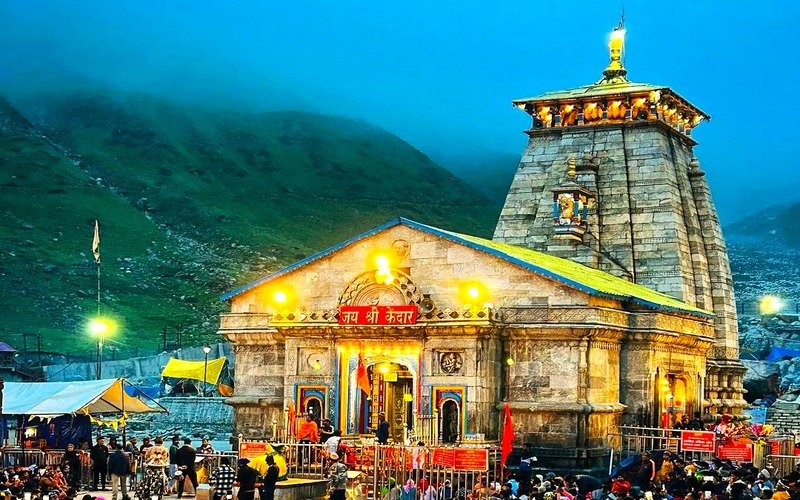
- Not every dham is motorable up to the sanctum. For example, Kedarnath requires reaching Gaurikund by road and then a trek (or pony/helicopter) to the temple — motorable road ends at Gaurikund. Yamunotri’s last motorable points are around Janki Chatti/Kharsali; you’ll need to trek or use a pony/palki for the final stretch. Plan the parts you’ll ride and the parts you’ll walk or take local transport.
- Road conditions vary — landslides and blockages are a real risk, especially during monsoon and immediately after heavy snowfall or rain. Check local updates before and during the ride.
Planning & paperwork (don’t get stuck at a checkpost)
- Register for Char Dham Yatra and fill required declarations.The state runs a registration/biometric system and in recent seasons sometimes requires a mandatory declaration/self-certification with accommodation details — ANPR cameras and checkposts may stop unregistered vehicles. Complete registration online and carry Aadhar/ID copies.
- Vehicle papers and permissions.Carry your bike’s RC, insurance, pollution certificate (PUC), driver’s license, and a copy of the registration. If you’re riding a rented bike, take a notarized letter or written permission from the rental agency allowing inter-state and high-altitude travel.
- Local permits / temple timings.Some routes or sections may have temporary restrictions; follow local administration notices and respect temple opening/closing announcements. Always check temple darshan timings and any token systems.
Best time & route strategy
- Best windows:May–June (after snow clearance) and September–October (post-monsoon). Avoid the monsoon (July–August) for the higher risk of landslides and slippery roads, and avoid deep winter when many roads are closed.
- Typical clockwise route:Haridwar/Rishikesh → Barkot/Barkot–Janki Chatti (Yamunotri) → Uttarkashi → Gangotri → Rudraprayag → Gaurikund (Kedarnath trek start) → Joshimath → Badrinath → back via Rishikesh/Haridwar. This balances approach distances and lets you lawfully plan fuel and stops.
- Pacing:Don’t try to “do all four” in a week. Allow at least 9–12 days to enjoy the ride responsibly: long riding days at altitude are tiring and carry higher risk.
Bike prep — keep it simple and robust
- Service and spares:Do a full service before departure (valve clearance, chain, clutch, brake pads, wheel alignment, bleed brakes). Carry a basic spares kit: clutch cable, throttle cable, spark plugs, fuses, bulbs, chain links, tyre repair kit, tubeless repair kit (if tubeless), a small multi-tool, zip ties, duct tape.
- Tyres:Choose tyres with good grip and predictable feedback. If your bike has heavy-duty/scrambler tyres or dual-sport tyres, that’s ideal. Inspect treads and swap out worn tyres. Carry a spare tube if you ride tube-tyre wheels.
- Load & mounting:Use a secure pannier or tail-bag system; avoid bulky top-heavy loads. Tie down a puncture repair kit and a portable air inflator (12V pump). Distribute weight evenly and keep essential items (rain gear, water, documentation, power bank) accessible.
Riding technique & safety at altitude
- Pace yourself:Ride steady, not fast. High-altitude roads are twisty, with sudden gravel, broken tarmac, and blind corners. The aim is steady progress with low risk.
- Use engine braking:Use lower gears and engine braking on descents rather than continuous braking to avoid overheated brakes.
- Watch for black ice and snow:In early mornings and shaded hairpins, be wary of icy patches even in late spring in high passes.
- Group riding etiquette:If you ride in a group, keep staggered formation, communicate hazards, and nominate a sweeper (the slowest rider to ensure no one is left behind).
- Hydration & rest:High-altitude fatigue hits fast. Drink water frequently, avoid heavy meals before a long ride, and rest for at least 10–15 minutes every 1.5–2 hours.
Altitude & health
- Acute Mountain Sickness (AMS):Headache, nausea, dizziness — if these appear, descend immediately. Don’t assume “toughing it out” is heroic.
- Medication:Carry basic altitude meds (consult a doctor before the trip — e.g., Acetazolamide where appropriate) and a small first-aid kit with painkillers, oral rehydration salts, bandages, antiseptic, and blister plasters.
- Sleep & acclimatization:Avoid rapid ascent; sleep lower when possible. Plan your itinerary so you don’t jump from lowland to 3500+ m in a single day.
Fuel, food & accommodation hacks
- Refuel early and often:Fuel pumps are sparse in high-altitude stretches. Top up whenever you see a pump — don’t gamble on the next one being open. Carry a 2–3 litre jerry can (secure & leak-proof) if your range is limited.
- Eat local, but smart:Dhabas and small hotels serve hearty food. Prefer simple, freshly cooked meals; avoid heavy greasy meals before long rides. Carry energy bars, nuts, electrolyte drinks.
- Accommodation:Budget guesthouses, government tourist rest houses, and dharamshalas dominate. Pre-book during peak season, and keep a list of fallback towns for overnight stops. Many riders prefer to stay in lower-altitude towns at night for better sleep and logistics.
Weather, monsoon & landslide awareness
- Real-time checks:Before you attempt a high pass or remote stretch, check local road status updates. The Char Dham highways have seen increased landslide activity in recent years due to hill cutting and heavy rains — that can close routes at short notice. If authorities close the road, follow their instructions.
- Monsoon caution:Avoid the monsoon season if possible. If you must ride, be extremely cautious on slopes, watch for fresh slide debris, and ride at low speed.
Emergency & recovery plan
- Local numbers & backups:Note down local emergency numbers, closest hospitals in Uttarkashi, Rudraprayag, and Joshimath, and keep a charged phone with a power bank. Offline maps (downloaded) are critical — mobile coverage is patchy.
- Breakdown plan:If your bike dies in a remote spot, stay visible, use hazard signals, and try to reach the next village on foot if safe. A roadside breakdown towing contact (local mechanic) in major towns helps — get numbers when you pass through.
- Helicopter/medical evacuation:Know that helicopter evacuation exists for medical emergencies in some regions; it’s expensive but lifesaving. Keep an emergency contact aware of your general itinerary.
Gear checklist (concise)
- Helmet (full-face/flip-up), riding jacket with armor, knee guards, gloves (waterproof), riding boots.
- Rain suit (lightweight), thermal layer (nights get cold), fleece, neck gaiter.
- Tool kit, spare cables, tyre repair kit, air pump, chain lube.
- First-aid, medicines for altitude (after doctor consult), water bottle, electrolytes.
- Power bank, phone mount, offline map files, charger, copies of documents.
- Small lock, reflective vest, headlamp/torch.
Sample 10-day moderate-paced itinerary (flexible)
Day 1: Haridwar → Barkot (rest)
Day 2: Barkot → Janki Chatti / Yamunotri approach (trek/pony to Yamunotri return)
Day 3: Barkot → Uttarkashi (recover)
Day 4: Uttarkashi → Gangotri day trip (darshan and return to Uttarkashi)
Day 5: Uttarkashi → Srinagar (Rudraprayag region) → Joshimath approach
Day 6: Joshimath → Badrinath (darshan) → overnight Joshimath/Badrinath area
Day 7: Joshimath → Gaurikund (prepare for Kedarnath)
Day 8: Gaurikund → Trek/pony to Kedarnath (or helicopter) — depending on preference
Day 9: Return toward Rishikesh/Haridwar (start homeward)
Day 10: Buffer and contingencies — for landslides/weather delays
(Adapt to your fitness and acclimatization; don’t push Kedarnath into the same day as a long high-altitude ride.)
Final pro tips (real-world rider wisdom)
- Start early:Morning hours give shorter traffic and better daylight; aim to finish big riding segments by late afternoon.
- Conserve energy:Riding at altitude is tiring — be conservative with throttle and braking to save your concentration.
- Talk to locals:Mechanic shops, dhaba owners, and policemen know the latest passibility and shortcuts — a 10-minute chat often saves you hours.
- Insure smartly:Travel insurance that covers high-altitude rescue and helicopter evacuation is worth checking.
- Respect the place:These are sacred sites. Dress modestly, park respectfully, and carry out your trash.
Riding the Char Dham by bike is the sort of trip you’ll remember forever — if you prepare right. A well-serviced bike, smart packing, conservative riding, and respect for the mountains keep the adventure joyful instead of stressful.

