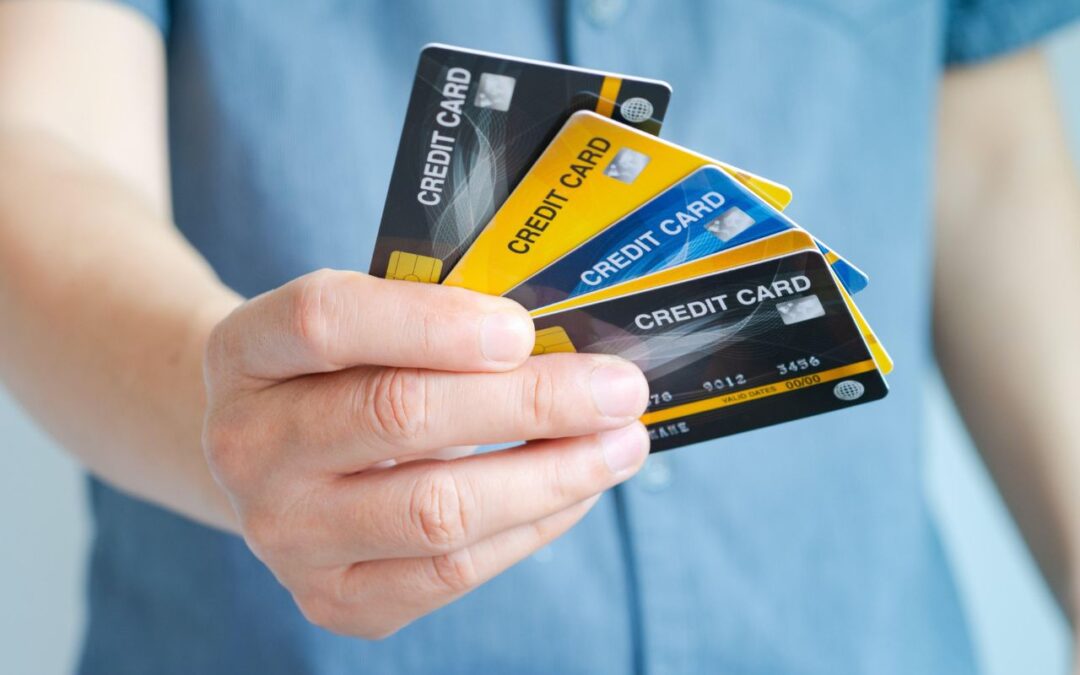
Many people want the convenience of credit cards, but unsecured approvals are not always easy. If you are new to borrowing, have limited income proof, or prefer tighter control over spending, an FD-backed option can be a smart entry point. An FD credit card is secured against a fixed deposit, which lowers the lender’s risk and makes eligibility simpler.
What is an FD credit card?
An FD credit card is issued after you open a fixed deposit that acts as collateral. Because it is secured, it is positioned as a starter card for people who want limits and easier approval. The issuer typically places a lien on the deposit, so the FD remains locked until the card account is closed and dues are cleared, as per the terms.
You keep earning interest on the FD while using the card for everyday spends like shopping, travel bookings, and online payments.
Who Should Consider an FD-Backed Card
It is ideal for people who want credit cards with easier approval and controlled limits, such as first-time users, students, freelancers, or anyone rebuilding their credit history.
People are Building Credit for the First Time
With little or no credit history, lenders may hesitate to extend an unsecured line. FD-backed credit cards help you start with a clear limit and practice timely repayments. Over time, that repayment behaviour can support a stronger credit profile.
Students and Early-Career Professionals
When income documents are thin, approvals can be tricky. A secured card can help you handle subscriptions, small online spends, or travel without depending on a high salary record.
Freelancers and Self-Employed Earners
Your earnings may be stable, but paperwork can look uneven. With an FD credit card, the deposit becomes the anchor, so the decision relies less on standard salary proofs. Many users like keeping work-linked spending separate for easier budgeting.
People are Rebuilding After Past Delays
If you have had payment issues earlier, rejections can be standard. An FD-backed card offers a calmer restart when you repay on time.
Anyone Who Wants Strict Control Over Limits
Some people avoid credit cards because overspending feels too easy. Here, you decide how much to park in the FD, which naturally sets a boundary. That can be reassuring if you want a card mainly for convenience and emergencies.
Why FD-Backed Credit Cards Can Offer Real Value
Used responsibly, these credit cards deliver more than approval comfort:
- Predictable limits that make spending easier to manage.
- Digital statements and alerts that improve tracking.
- A structured way to build a repayment record for future borrowing.
As one market example, AU Small Finance Bank offers an FD-backed option like the AU NOMO card for users who want a secured entry into card usage.
How to Get the Most Out of an FD Credit Card
Use it for regular, manageable spends and pay the full amount due on time so you build credit without paying unnecessary charges.
- Pay the amount due to avoid interest.
- Keep usage steady so repayments stay comfortable.
- Use alerts and review statements for unusual activity.
- Use app controls for online or international spends if your issuer provides them.
What to Check Before Choosing an FD Credit Card
Before you commit your savings, confirm:
- How the lien works and when the FD can be released.
- Key charges like late fees and foreign currency charges.
- Repayment posting timelines and available customer support channels.
Final Thoughts
An FD credit card suits you if you value simpler eligibility, controlled limits, and a steady way to build or rebuild credit. If you can set aside funds in a fixed deposit and repay on time, this route can make credit cards feel far more accessible, without sacrificing everyday usability.

